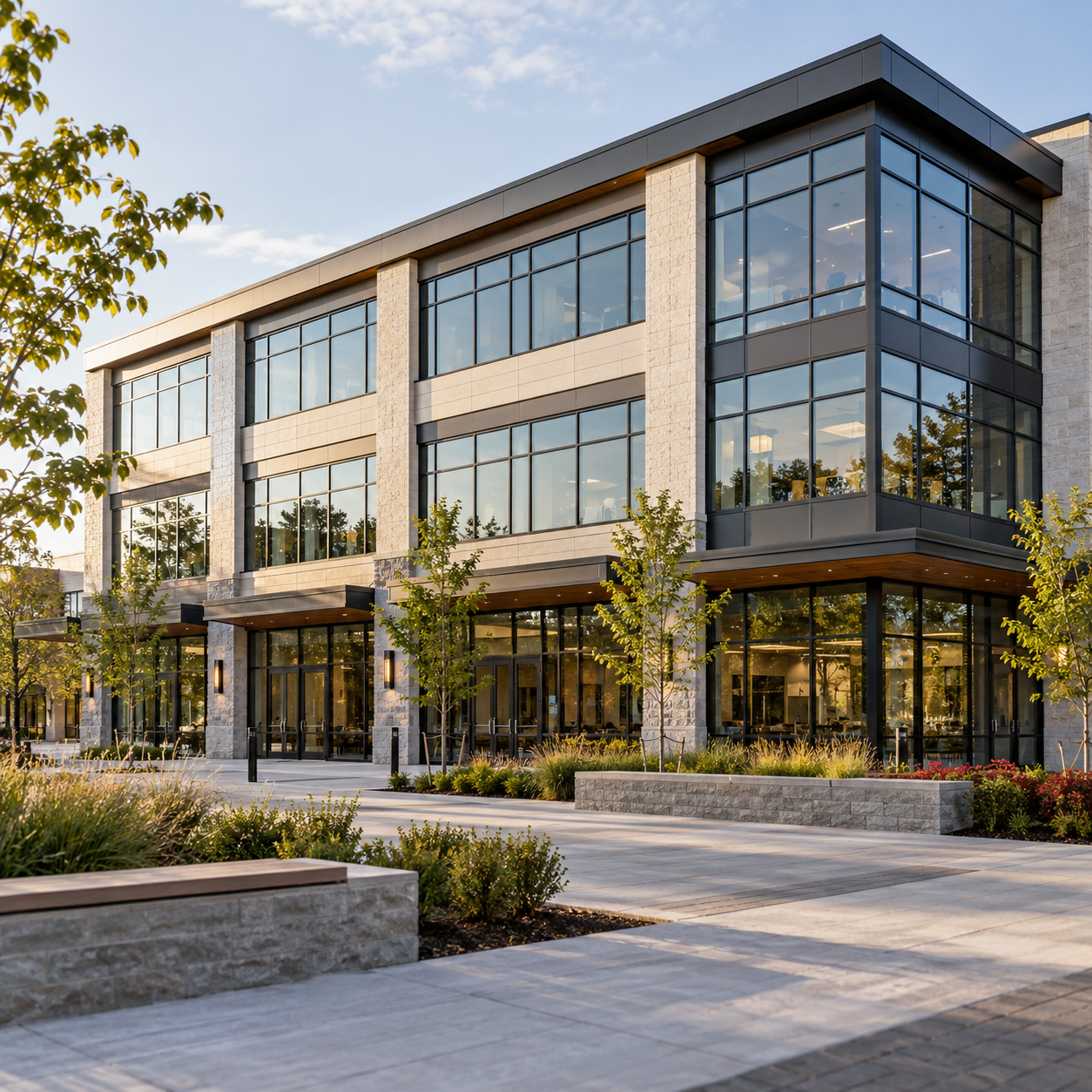
Buying commercial property in Ontario is a significant decision, whether you are purchasing space for your own business or a building that generates rental income.
Commercial mortgage lenders assess more than the purchase price. They consider the property, the borrower’s financial position and the income available to repay the loan. Preparing these details early can help you identify financing challenges before committing to a purchase.
1. How You Will Use the Property
Start by explaining whether your business will occupy the building, lease it to tenants or use a combination of both.
For an owner-occupied property, the operating business’s financial performance is important. For a rental investment, the property’s income, expenses and leases help establish the financing picture.
Prepare a short description of the property, its current use and your plans after closing. Include any proposed renovations, expansion or changes in occupancy.
2. Cash Flow and Repayment Capacity
Lenders need to understand how mortgage payments will be covered alongside existing obligations.
For business owners, this can involve reviewing financial statements, existing debts and cash-flow projections. A lender may use a debt service coverage ratio to assess the financial cushion available for debt payments. Requirements and calculation methods vary.
For an investment purchase, organize the rent roll, leases and operating expenses. A rent roll summarizes tenants, rental amounts and lease details.
When assessing affordability, consider practical questions:
- What happens if a tenant leaves?
- Can you manage a major repair?
- Would payments remain manageable if business revenue falls?
- How much cash will remain available after closing?
A purchase should leave room for operating needs and unexpected costs.
3. Your Down Payment and Overall Budget
There is no single down payment requirement that applies to every commercial transaction. Financing depends on the lender, property and borrower.
Build a budget that includes more than the purchase price. Allow for legal work, property assessments, applicable closing taxes, renovations, moving costs and working capital.
Ask your financing professional to distinguish between the proposed loan amount, your required cash contribution and any expenses you must pay before funding.
4. Property Value and Condition
Lenders may require a commercial appraisal to assess the property’s value. They may also request a building condition report to understand repair needs and potential costs.
Confirm the lender’s requirements before ordering reports. An existing report supplied by a seller may not meet the lender’s standards.
The agreed purchase price alone does not establish how much financing will be available.
5. Environmental Review and Permitted Use
An environmental site assessment is an important part of commercial property due diligence and is required by many lenders.
A Phase I assessment examines the property’s history and potential contamination concerns. Findings may lead to additional investigation, which can affect costs and timing.
Separately, confirm that your intended business activity is permitted at the property. A building that appears suitable may still require approvals or alterations for your proposed use.
Discuss these issues with your lawyer and the appropriate property professionals before removing purchase conditions.
6. Financing Terms and Closing Requirements
Compare the full financing proposal, including:
- Interest rate and payment structure.
- Mortgage term and amortization.
- Lender and third-party fees.
- Prepayment conditions.
- Security and any personal guarantee requirements.
- Conditions that must be satisfied before funds are advanced.
Clarify the difference between an initial financing discussion, a conditional commitment and readiness to fund. Give your financing team the purchase agreement and important deadlines early.
Buying Commercial Property: Prepare for Your Consultation
For an initial discussion, gather the property listing, purchase agreement if available, business financial information, existing debt details and your proposed down payment.
For a tenanted property, include available leases, a rent roll and operating statements. Your financing professional can then identify additional information the lender may need.
True North Financing helps Ontario business owners and property investors explore commercial mortgage options and understand proposed costs, terms and requirements.
Contact TNF to discuss your commercial property purchase, or call 647-456-3424.
Mohan Malhotra — Mortgage Agent Level 2
Licence #M11001890
Lending Hub — Brokerage #12566
Financing is subject to lender approval, property assessment and borrower circumstances. Requirements vary by lender and transaction.